


Recurring dryer vent maintenance in Los Angeles
In a building with many dryers, nobody remembers which vent was cleaned when. A repeat schedule puts every vent on a list, so lint never gets the chance to build up out of sight.
- Apartments and HOAs
- Shared laundry rooms
- Open 24 hours
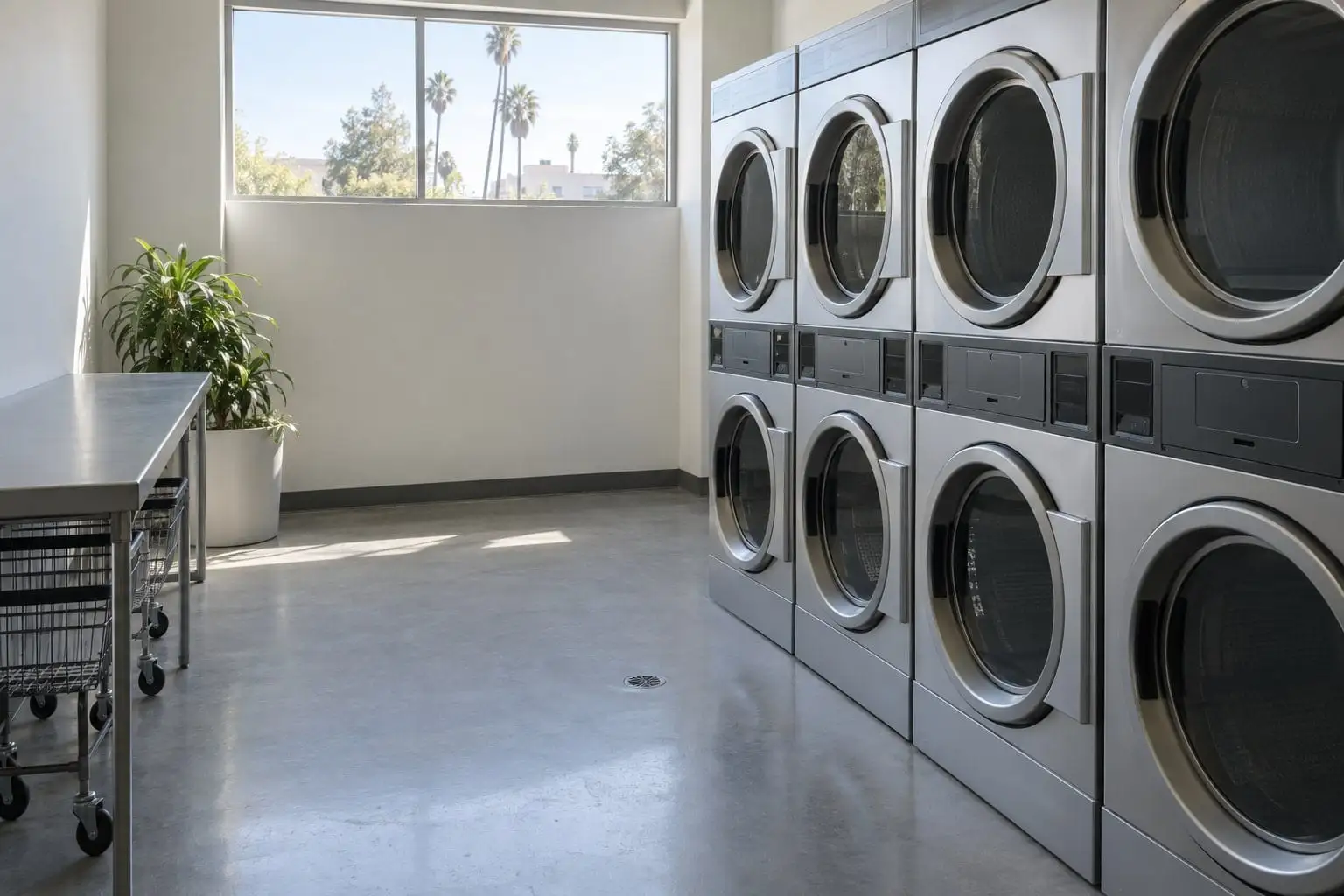
Why vents in buildings need a schedule
One dryer in one home is easy to watch. A building with a shared laundry room, or twenty units that each have a dryer, is not. Vents there tend to be longer, to run through shared walls and up through the roof, and to be used far more often.
Lint builds up at a pace set by use, not by the calendar. A shared laundry room can fill a vent much faster than a household can, which is why a regular schedule suits it better than cleaning only when dryers start to slow down.
- Apartment buildings and condominiums
- HOAs and property managers
- Shared and coin laundry rooms
- Multi-unit buildings with roof vents
What this service does for you
A schedule that holds
Vents are visited on a rhythm you agree, so cleaning stops depending on someone remembering.
Every vent on the list
Each vent in the building is listed, so you can see what has been done and what is due next.
Trouble spots noticed
A vent that clogs faster than the others usually has a reason, such as a long run or a crushed section, and repeat visits make that visible.
One contact for the building
A property manager or an HOA board can deal with one phone number and one schedule instead of a dozen residents.
How a recurring schedule works
A schedule starts with a list: how many vents there are, where each one leaves the building and how heavily the laundry room is used. From that, a rhythm is agreed. Lightly used vents can wait longer, and busy shared rooms come around more often. Each round works through the list, and anything that needs repair is raised on its own.
Apartments, HOAs and shared laundry rooms
Property managers want a vent plan they can hand over: which vents, which units, when. HOA boards want something they can put in the minutes. A shared laundry room wants dryers that are never out of service because of a blocked vent.
Because a building's vents run through shared walls and up through the roof, a blocked one can affect the neighbours. A regular schedule keeps the roof caps and the wall hoods looked at together.
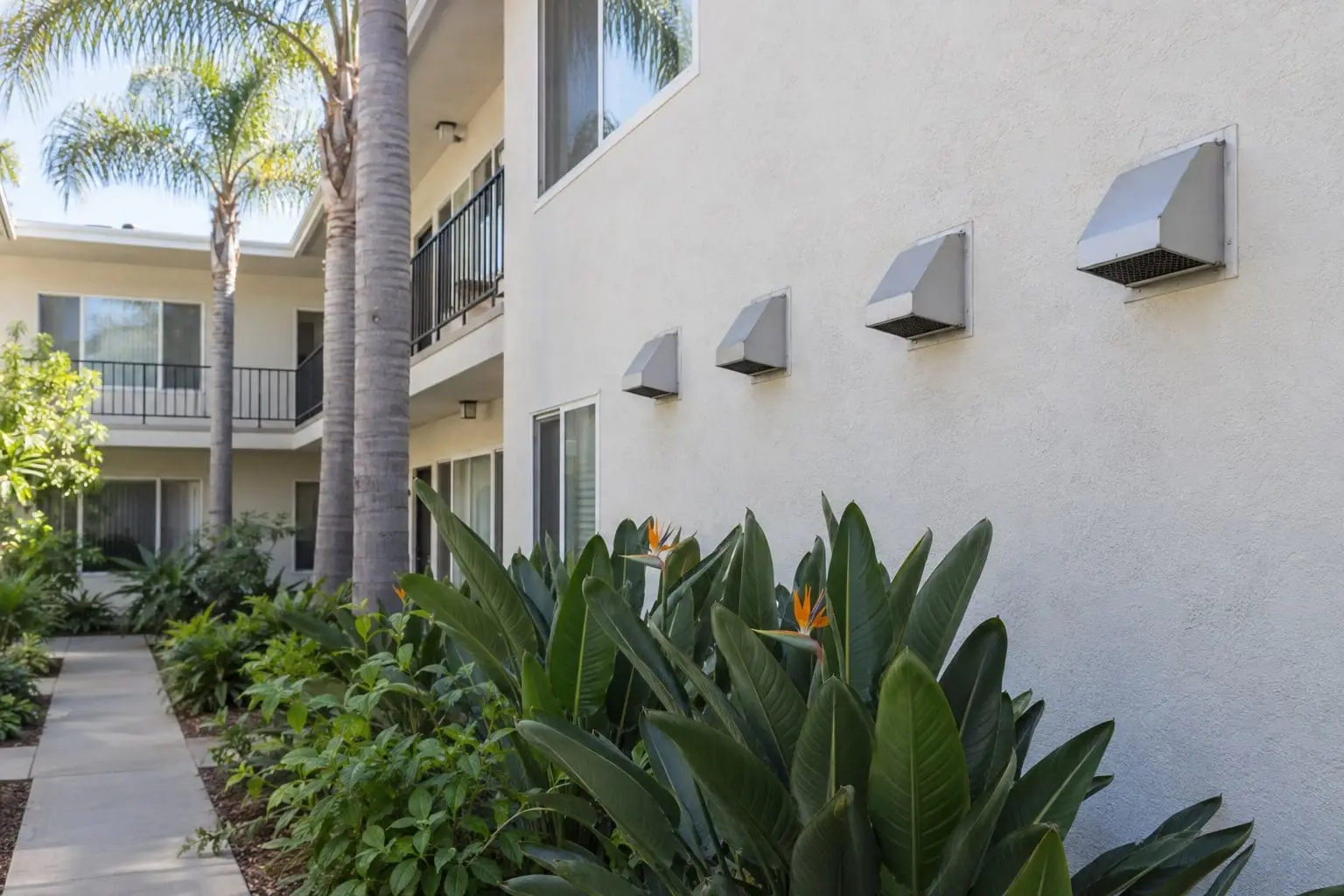
What each round should leave you with
After every round you should be able to say which vents were cleaned, which were found damaged and which will need work before the next visit. That record is what makes the next round shorter and the building safer.
Questions about this service
How often should the vents in a building be cleaned?
There is no single answer. Heavily used shared laundry rooms need it more often than a single household, and long or roof-mounted runs clog faster. A yearly cleaning is a reasonable place to start, and a schedule is built around how the dryers are used.
Can one round cover every unit in the building?
That depends on the building. Where each unit has its own vent, every one has to be reached, and access to each laundry space has to be arranged. Tell us how many dryers there are and how they vent when you call.
Do you work with property managers and HOA boards?
Apartment buildings, condominiums, HOAs and shared laundry rooms are the buildings this service is for. A manager or a board can ask for a schedule on behalf of residents, and the work is planned around access to each unit.
What happens if a vent is damaged during a scheduled round?
It is raised with you, and cleaning and repair are treated as separate decisions. A crushed or detached duct is a repair, and a vent that keeps clogging may need a shorter route, which can be looked at on its own.
What should I tell you when I ask about a schedule?
The number of dryers, where each vent leaves the building (wall or roof), how often the laundry room is used and whether anything has been cleaned before. Even rough answers are enough to start the conversation.
Request a cleaning
Describe what you have noticed and leave your number. A call back sets the time.